There’s a specific kind of anxiety a book lover feels when they hear a beloved work is being adapted. It’s a feeling that combines pure, unadulterated excitement with a healthy dose of dread. You want the world to see what you see in those pages, but you’re terrified they’ll get it wrong. The fear is that they will sand down the sharp edges and miss the philosophical core, turning a story of ideas into a hollow spectacle.
For me, that author is Stanisław Lem. And that book is The Invincible.
I first read The Invincible years ago, and it rewired my brain for what science fiction could be. Instead of focusing on laser battles or galactic empires, the book explored the chilling, humbling silence of the cosmos. The story is about humanity, with all its confidence and advanced technology, stumbling upon something so utterly alien that our concepts of life and conflict simply break. Lem’s work is known for its density and philosophical depth, often prioritizing questions over answers.
So when I heard that a small studio, Starward Industries, was making a game out of it, that familiar cocktail of excitement and dread started brewing. A game? How do you make a game out of a book that is, at its heart, a treatise on the limits of anthropocentrism? My fear was a first-person shooter where you just mow down the “enemy.” That would have been a betrayal of everything the book stands for.
I am so, so happy to report that my fears were completely unfounded. The Invincible video game is a masterful adaptation, clearly made with love and profound intelligence. The game goes beyond adapting the plot to capture the very soul of the novel.
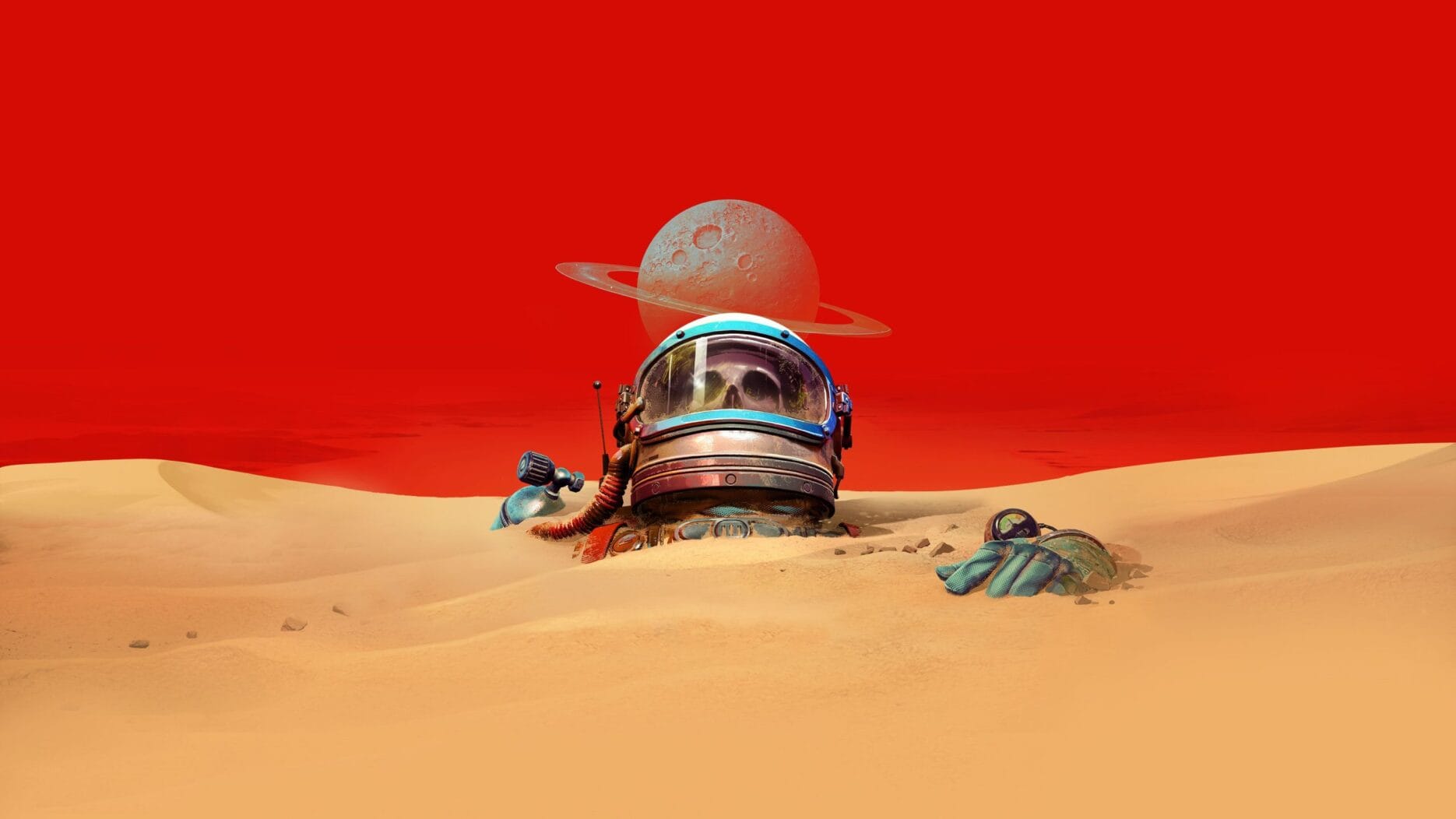
From the moment I stepped out of the lander onto the ochre, windswept dunes of Regis III, I knew they got it. The aesthetic is a perfect slice of “atompunk” retro-futurism. The technology is a symphony of analog dials and chunky buttons. Radio transmissions crackle while information glows on green-screen CRT displays. The equipment feels tangible and heavy, with a delightfully outdated quality you would imagine from a novel written in the 1960s about the future. You don’t just click on a map; you pull out a physical chart, mark it with a grease pencil, and use a handheld tracker that clicks and whirs. This is more than a stylistic choice; it grounds you in the world, forcing you to adopt the mindset of a methodical scientist rather than a super-soldier.
Playing as astrobiologist Yasna, I found myself on a rescue mission that quickly unraveled into a scientific investigation. The game is what some might call a “walking simulator,” and I mean that as the highest compliment. The gameplay loop is a cycle of exploration followed by careful analysis and reporting. Tension builds not through jump scares or combat, but from the dawning, creeping realization that you are fragile, you are alone, and you are trespassing somewhere you don’t belong.
Then there’s the central mystery, what Lem called the “necroevolution.” The game handles the book’s iconic, non-biological antagonist with breathtaking reverence. I don’t want to spoil it for anyone, but the first time you truly witness the phenomenon is a powerful moment. Instead of a boss fight, the reveal is a moment of sublime, terrifying awe. The game makes you feel exactly what the book’s characters felt: a profound sense of your own insignificance in the face of a cosmic process that operates on a logic entirely separate from our own. You can’t fight it. You can’t reason with it. You can only try to understand it, and in doing so, understand the limits of your own humanity.
What I appreciate most is that rather than simply retelling the book’s story, the game presents a new narrative with a new protagonist that runs parallel to the events of the novel. This was a genius move. For those who haven’t read the book, it’s a complete, self-contained experience. For those of us who have, it’s a companion piece. It enriches the world and offers new perspectives, even letting us see familiar events from a different angle, all while preserving the mystery of the original text. The choices you make as Yasna lead to different outcomes, all of which feel thematically consistent with Lem’s bleak and thoughtful universe. There are no easy “good” or “bad” endings, only consequences.
Playing The Invincible felt less like playing a game and more like inhabiting a novel I’ve loved for years. When the credits rolled, I didn’t feel like I had “won.” I felt contemplative and small, yet also deeply satisfied. My first impulse was to walk over to my bookshelf and pull out my worn copy of the book to start it all over again.
If an adaptation can manage to respect its source material while also deepening your appreciation for it, making you fall in love with it all over again, then it is a work of art in its own right. Starward Industries went beyond making a game based on The Invincible; they wrote a love letter to Stanisław Lem, and I was lucky enough to read it. Now, give me my goddamn Solaris game!!!!!